dimanche 6 mars 2016

Benefits Of A Good Ice Cream Maker

Ice cream is on the list of my most favorite foods. It can be mixed with brownies, nuts, chocolates, wafers, custard, and fruits, just to name a few. Based on your taste, you can buy it in a certain flavor. You don't have to head to a shop whenever you feel liking eating one as today, ice cream makers are sold to help users make the same at home. Given below are 5 advantages of having a of owning an ice cream maker.
Convenience
The biggest advantage is that you can make healthy desserts whenever you want to. You don't know when guests are going to drop in. If you own one, you can serve them lip-smacking desserts like yogurt, sherbert and sorbets, to name a few. Besides, you can take it to a friends' to have a party. Cleaning them is also a cakewalk. So, you won't need to spend too much doing the utensils.
They are efficient
Another great thing is that these machines allow you to make your desserts in various flavors with ease. You can pour a mixture into a bowl and get ready for another one without any delay. Even if you have the cheapest machine, it can produce plenty of flavors. Most of the machines allow you to make desserts in less than 20 minutes. So, they don't take much time.
Safe for health
Apart from ease of use, anything that is made at home is healthier than the same product purchased at a store. Often, at these stores, ice cream is defrosted and repeatedly frozen back. As a result, it loses its flavor and other health benefits. With a machine at your disposal, you can go for the flavor that you like adding ingredients that you think are good for you.
Cost effective
If you are on the lookout of a quality machine with a lower price tag, you can search for one online. Durable ice cream makers stand the test of time and may prove a good investment even if you have plans to use it more often. If you are going to buy online, make sure you browse top sites and compare their product checking feedback left by actual consumers.
Lastly, having one at your disposal will also save you a good deal of money on trips to the local store. If you are a novice, you don't need to worry it is not a rocket science. All you have to do is choose a simple recipe, buy the ingredients and put them in the machine. That is it. You can make as delicious ice cream as you need.
Making delicious desserts won't cost you a lot of time if you know how to get the ingredients required. Just make sure you buy a good quality ice cream maker and you will be good to go.
If you are looking for a good ice cream maker, you can visit this site for ice cream maker reviews.


Article Source: http://EzineArticles.com/9296352

Quick Ways to Make Your Kid's Birthdays Happy and Special Like Never Before

When your child asks you when his birthday will come, you should know he is growing. The childhood is one of the most memorable days in one's life where there is no tension and no stress. Celebrating your kid's birthday becomes the prime priority when you get to plan everything from invitations to the decorations. The most important part would be ordering the kid's favourite cake from the renowned baker in the town. All these arrangements are done with the only hope that the child will feel elated and remember his birthday for the whole of the year. Here are some more ideas to make birthdays of your children special.
Thematic party
While a child grows, his aspirations grow too. He wishes to meet some utopian characters and live in a fantasy land as they are highly influenced by these concepts from story books. Hence party planners' advice parents to go for thematic party to make the child extra happy. Right from clothes to customized cakes till return gifts, every aspect of the party if themed well and executed becomes a huge success.
Cartoon man
Mickey Mouse, Donald Duck, Ben 10 etc. are some cartoon characters that breathe life into children. Parents who can pay rent for people to can dress up like Mickey or Donald and entertain the kids, love to do that. For two to three hours these cartoon men will be around with children sing and dance with them in unison.
Magic show
Children love to live in the magic world of genies and fairies. So to make the party sound more extravagant, you can invite expert magicians who are specialized in children tricks. You can create a smoky atmosphere using dry ice and introduce the magician as soccer from the sky and create hues and cries of happiness from the kids.
Custom bakes
It is nothing wrong if you make your child's favourite cake in your kitchen and add minimalistic decoration to that sweet and yummy piece. But as kids attend different parties where they see personalised birthday cakes, their wish might just be different. Hence consult an expert baker and get the cake model that your child wishes for as his birthday present.
Field trips
While some parents plan a quiet birthday at their home or a nearby community house, some think of field trips where they go to a picnic place or a children park where they cut the cake and play games. Such plans work well if you invite the other children's caretaker as well for managing safety all the way till return back to home.
While many parents decorate the house and call their kid's friends home for a quick house party, there are few who prefer to celebrate the child's birthday at exotic locations. Howsoever be the preparations, your ultimate goal is to make their children happy and merry for the entire day with a wholehearted wish that their child remains healthy safe and secured forever!
Choose from a wide range of personalised birthday cakes to suit any party theme. Cakes Arena offer lots of ways to tailor your cake for a special occasion.


Article Source: http://EzineArticles.com/9318731

jeudi 3 mars 2016

Here's How You Can Be A Health Conscious Coffee Lover

For many years coffee was a taboo drink for anyone remotely health conscious. But nowadays even the most health conscious people can drink coffee too. Like everything else, there are a few rules that we need to stick to, in order to be healthy coffee drinkers.
There has always been a debate about whether decaffeinated coffee is better than normal coffee. My personal feeling is that if I am going to have a cup of coffee, I would rather have one cup of the best coffee that I am able to, instead of lots of cups of "not the real thing." It is a bit like drinking non-alcoholic beer. There are so many nicer drinks to drink, so if you are not going to drink a really good beer there's no point in drinking a sub-standard beer.
There seems to be a link between decaffeinated coffee and high cholesterol levels. No one is sure why, but the possibility is that the chemicals used to extract the caffeine may raise cholesterol.
Methyl chloride is sometimes used to extract caffeine, and this is a carcinogenic that can contribute towards cancer.
The great news is that all of us healthy people can pour ourselves a cup of coffee, and enjoy it whilst reading the list of healthy drinking coffee tips below:
Only ever drink 1 to 2 cups of coffee per day.
Do not every consume coffee at any time after lunchtime.
Do not add sugar to your coffee. Some people do like to add a bit of honey to sweeten their coffee, which is fine.
Do not use artificial sweeteners.
Preferably drink coffee made with organic coffee beans.
Cinnamon is really healthy, and can be added to your coffee.
Do not use artificial coffee creamers, but rather use fresh milk.
Some benefits to drinking coffee are:
Gives you energy.
Keeps you alert.
It is an anti-oxidant.
Kills bacteria in your mouth, and helps prevent cavities.
Helps burn fat, and diminishes cellulite.
Helps protect against Parkinson's, Alzheimer's, type 2 Diabetes, Gout, Melanoma and lots more diseases. (I am hesitant to be too sure of all of these preventions. Lots of tests have been done, but for all the good caffeine has the potential to do, it can do as much harm to your body, if drunk excessively.)
There is nothing like the aroma of coffee. When people are trying to sell their houses, they are often advised to brew coffee, as when people smell the aroma, they automatically feel at home. Coffee aroma brings down our stress levels, and is extremely calming.
Finally, I know this may sound crazy, but if you have a headache, or need to take painkillers for any reason, if you take them with coffee instead of water, they are far more effective. And this can help to prevent migraines.


Article Source: http://EzineArticles.com/9326492

mardi 29 septembre 2015

Serving Healthy Foods Safely !!

Serving healthy foods safely can be accomplished by following a few simple guidelines. The importance of following those rules is exemplified by the fact that an estimated 48 million people in the U. S. are diagnosed with food poisoning annually. To highlight the subject further, recent news warned of over 300 cases of food poisoning and three deaths as the result of cucumbers bearing Salmonella that were imported from Mexico. So we can't let down our guard.
Most food poisoning comes from bacteria or viruses, but it can also stem from parasites, mold, toxins, contaminants and allergens such as nuts, milk, eggs or gluten. Contaminated food often results in nausea, vomiting, diarrhea and cramps, but it can also result in kidney failure, chronic arthritis, brain and nerve damage or even death. Those at greatest risk include pregnant women, older adults, individuals with chronic illnesses or depressed immune systems, and children under the age of five because their immune systems are still developing and because their stomachs produce less stomach acid which helps to destroy toxic bacteria.
At the same time, we can serve food to our families safely by following a few simple guidelines. Begin by washing hands before handling any food. Be sure all utensils are clean at the start as well. Cutting instruments, cutting boards and other utensils must be cleaned thoroughly with soap and water after working with any food item and before handling the second food item. So, when you finish cutting the raw chicken, wash everything before cutting the vegetables, etc. Likewise, all fruits and vegetables should be washed with a scrub brush before cutting them. This is especially true with melons and firm fruits like an apple.
Store foods in a refrigerator at temperatures below 40 degrees Fahrenheit and below 32 degrees Fahrenheit in a freezer. Don't just go by the machine setting. ;Use a thermometer to measure the actual temperature to be sure. ;Keep perishable food items in the refrigerator until served, and then leave them out no more than two hours. ;Foods that lose cooling or freezing capability for more than two hours (due to machine failure or power outage for example) usually need to be destroyed. Please refer to the food safety charts at the websites for the Food and Drug Administration and the Centers for Disease Control and Prevention. Store raw meats, fish and poultry separate from other foods. Likewise, store ready-to-e at foods separately from other foods to prevent contamination.
Always cook foods to the proper temperatures. Foods should reach 165 degrees Fahrenheit as a general rule. Again, please refer to the charts provided by both the government sites.
While proper food safety requires a little attention to detail at first, continued practice will soon make them habits that will allow you to serve healthy foods safely to your family.
Visit http://childhealthandsafetymagazine.com for more information on childrens' health, safety, and nutrition.
While every attempt has been made to ensure that the information presented here is correct, contents and any links are not warranted for accuracy or any other implied or explicit purposes and are for information only


Article Source: http://EzineArticles.com/9172397

Eat Your Way to Better Health !!

Eating healthy does not mean that you have to deprive yourself of foods that you love, or impose strict dietary limitations and remain thin. It simply means to increase your energy levels, improve you outlook by feeling positive and stabilize your moods. Do not feel overwhelmed by all the 'expert' advice that you hear. Here are some great ways to improve your dietary habits and attain good heath as a bonus.
1. Prepare more of your own food to control what you eat. A healthy diet includes a wide variety of nutritious foods that contain large amounts of vitamins and minerals. All these are obtained from green vegetables and including greens in your food will help you fill up the plate faster! Also cut back on the unhealthy foods in your diet and replace them with healthy alternatives. Start small.
2. Eat in moderation. That simply means eating only what the body requires and not over-stuff the body. Eating moderately also means to balance your diet with equal amounts of carbohydrates, protein, fats, fiber, vitamins and minerals. It does not mean to completely eliminating the foods that we love. Eating bacon in breakfast once a week, or indulging in 100 calories of chocolate on a long afternoon would not be harmful. However, indulging in your favorite foods does not mean polishing off that box of doughnuts in your fridge. Use your common sense!
3. Cut back on those carbs for a healthy looking you. This does not mean to completely eliminate them from your diet, as it only results in failure! The main carbs to reduce include sweets and refined products like white flour, cakes, pies, candy etc. These are easily digestible and increase the blood sugar levels. Replace them with healthy carbs like whole grains, beans, fruits (in moderation) and green veggies.
4. Increase your protein intake. Proteins play a big role in the metabolism and provide you with vital energy for the day. Replacing your red meat with fish, chicken or plant based products like beans, soy, nuts is a great way to improve your protein content. Divide the extra protein in small amounts throughout the day. Snacking on nuts, peas, tofu and soy products instead of chips and pizza is a great trick to incorporate and increase protein in daily diet. A nursing mother needs 20g more protein in her diet than she did before pregnancy.
5. Don't fear to include fats in regular diet. However, learn to differentiate between 'good' and 'bad' fats. Including monosaturated and polysaturated fats like olive oil, peanut oil, sunflower oil, fatty fishes like salmon, herring etc and walnuts help nourish the brain, heart and gives you a youthful looking skin. However, saturated and trans fats found in fried chips, baked goods, red meat, processed foods should be reduced from the diet.
6. Drink plenty of water to flush out the toxins in the body and decrease tiredness of muscles.
Remember, you are what you eat. Making some good food choices and replacing some common foods with healthier options can go a long way to better health.


Article Source: http://EzineArticles.com/9181397

lundi 28 septembre 2015

Gaining Better Health Through A Raw Food Diet !!

Chances are that you've probably heard people talk about a raw food diet and how healthy it is for you, but did you ever wonder exactly what it is they're talking about? Perhaps you envisioned raw oysters and beef on your dinner table. That doesn't sound too appealing doesn't?
In fact, a raw food diet is simply eating food in its natural unprocessed state. You probably already are on part of a raw food diet. If you snack on fruits and vegetables without cooking them, then you've eaten raw food.
Raw food, or unprocessed food is much better for you because the act of processing the food strips it of a lot of its vital nutrients. You've probably heard that cooking vegetables can leach out a lot of the vitamins and it can also destroy the important food enzymes as well. Packaged foods, that you find in the grocery store like potato flakes to make mashed potatoes and other foods that have been processed in some way to make an easy package meal not only have little nutritional value, but your body simply isn't made to process these foods.
If you think about raw foods as being the natural foods the way that they come from the earth, then it makes sense that these are easier for our bodies to process as these of the foods are great ancestors ate and there really hasn't been that many generations since grocery stores, and therefore prepackaged foods, were invented.
Raw foods are packed full of vitamins, minerals and food enzymes. These food enzymes are important, although you don't hear a lot about them. One of the things they do is help you digest your food and getting enough enzymes can help your body with the digestion process which takes a lot of energy, and if your body is spending less energy on digestion it will have more energy for you to do the things you like. Did you ever wonder why you feel so tired after you eat a big meal of cooked foods? One of the reasons is because food enzymes are destroyed by cooking, so there are no enzymes to help your body digests that big meal you just ate.
People in a raw food diet eat about 75% of their food as raw and whole foods. This includes fruits, vegetables, sprouts, raw nuts, seaweed and other foods in their natural form.
Raw foods can be prepared in a couple of ways. One of the most popular is juicing. Many people go on a juice fast where all they do is drink the juice of raw organic fruits and vegetables. Even just drinking fresh juice in the morning can give your health a boost.
Another way that people eat raw foods is to use a food dehydrator. This takes all the moisture out of the fruits and vegetables so they can be easily stored for long periods of time without going bad. A food dehydrator uses hot air to dehydrate the food but it keeps the temperature under 116°F so that the vital food enzymes are not destroyed.
Of course, you can simply eat your fruits and vegetables the way nature intended picked straight from the tree. Nuts can be a great raw food that you eat for snacks as well, but be careful because most of the nuts you find in the grocery store are cooked. You need to make sure you get raw nuts which you probably will have to buy either online or from a health food store.
You don't have to all of a sudden start eating 75% of your foods as raw foods in order to enjoy the health benefits of the raw food diet. You can gradually increase the amount of raw foods you eat as time goes on and you will notice how much more energy you have and how healthy you feel. Remember, you are what you eat!
Lee Dobbins writes for Natural Health Buzz [http://www.naturalhealthbuzz.com] where you can learn more about your natural health and find out more about the raw food diet [http://www.naturalhealthbuzz.com/rawfood.html].


Article Source: http://EzineArticles.com/451935

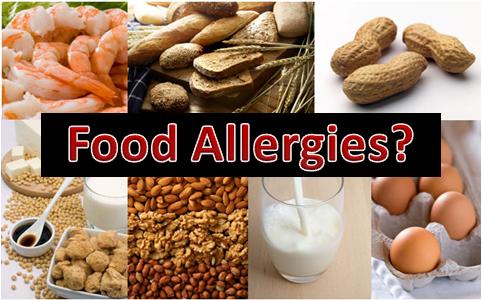
What Are Food Allergies, Intolerances And Sensitivities?

Food allergies are due to IgE antibodies made for specific foods that an individual has for some reason developed because their body has misinterpreted the food(s) as a foreign invading protein. The presence of IgE antibody to the specific food a person is allergic to results in an immediate immune reaction of the body to the food when it is eaten. The IgE antibody binds its specific food protein and initiates reactions in the body that include the release of chemicals such as histamine that may result in symptoms of itching, swelling, wheezing or difficulty breathing, rash or hives, and if severe, shock resulting in death if not reversed. Vomiting and diarrhea may occur but are less common.
Testing for the presence of allergy to a food or foods can be done by blood test or skin testing or both. One of the most common blood tests is the RAST test that looks for the presence of the specific IgE antibodies to common food allergens and other foods based on a history suggesting that a particular food is suspect. Skin testing is done by injecting or applying extracts of the common and any suspect food(s) to pricked or scratched skin and looking for diagnostic "hive" like reactions at the site of the suspect food. The most common food allergens are peanut, cow's milk, wheat, corn, soy, shellfish, eggs, tree nuts, chocolate, pork, tomato, and citrus.
The terms food intolerance and sensitivity are commonly used interchangeably. They refer to a group of food reactions that occur that are not IgE antibody caused. In more general terms they refer to any adverse or unpleasant reaction that occurs after a food is eaten.
Food reactions that are not allergic in cause may have a variety of causes. A particular food may not be tolerated because it is not digested adequately due to an enzyme deficiency. Lactase, the enzyme that digests milk sugar or lactose, is present on the surface of the intestine lining cells. Lactase deficiency can be inherited or acquired. It commonly occurs whenever the intestine lining is damaged. Because the lactase enzymes are on the outer most surface of the intestine they are more vulnerable to injury. For example, after intestinal flu or in untreated Celiac disease, lactose intolerance is common. Other sugar enzymes can be deficient or the intestine can be simply overwhelmed by too large a sugar load at one time. A classic example is "the Big Gulp" syndrome when someone drinks a giant cola beverage then experiences the "gut ache" from the tremendous amount of fructose. Large amounts cannot be handled by the intestine and that results in bloating, urgency and terrible diarrhea.
Deficiency of digestive enzymes released into the intestine can result in poor digestion of foods. For example, when the pancreas gland is damaged (pancreatitis) chronically, usually from chronic alcohol abuse, or is congenitally underdeveloped or malfunctioning (e.g. cystic fibrosis). The pancreatic enzyme deficiency that occurs results in malabsorption, especially for fats, that cause symptoms of diarrhea and weight loss. Abnormal bacteria types and levels in the gut, also known as dysbiosis, and abnormal excess levels of "bad" bacteria or presence of bacteria in upper small intestine where little or no bacteria normally occur (bacterial overgrowth) can interfere with digestion, absorption or cause fermentation of food resulting in symptoms of abdominal pain, bloating, gas, and diarrhea.
Some foods and food additives have a direct toxic effect on the gastrointestinal tract. Additives such as MSG and sulfites can cause symptoms, including flushing and diarrhea or the "Chinese restaurant" or "salad bar" syndromes.
All foods contain proteins known as lectins. Some of these proteins are highly resistant to digestion and are toxic to the human intestine especially if they are not pre-treated by soaking, cooking well, or removing toxic portions. For example, inadequately soaked and cooked kidney beans will cause a food poisoning like illness. There are several foods that have lectins that are poorly tolerated by many humans and are lethal to insects and pests. One researcher, Loren Cordain PhD., author of the Paleo Diet, has published extensive research on how the human intestine is not "evolved" to tolerate many of the foods we now eat but did not eat in the ancient "hunter-gatherer" times resulting in many of the illness seen in modern societies and the rising epidemic of autoimmune diseases. Several of the "modern" foods that were not part of the ancient diet but constitute much our diet now have well recognized toxic or poorly tolerated proteins known as lectins. Examples include wheat germ agglutinin (WGA), casein (cow's milk protein), peanut agglutinin (PNA), soyabean agglutinin (SBA) and tomato lectin (TL) that have been shown in animal studies to be toxic to the human gut. There are a few published studies and little active research on the role of dietary lectins in health and disease.
When the reaction is an immune toxicity reaction to a food protein intestinal damage commonly results, frequently referred to as "leaky gut" because of the symptoms of malabsorption or the entry of toxic food proteins and/or bacterial products into the blood stream resulting in a variety of adverse health effects. This reaction may result in autoimmunity, the body attacking itself within the gut or distant organs or tissues. The reaction may be aided by abnormal bacteria types and/or levels in the gut (dysbiosis). The symptoms commonly develop over time and flare in just hours to up to three days after eating the offending food and continue as the food is eaten.
Because the protein in the food is usually the cause and such proteins may be hidden in other foods, especially processed foods, and the toxicity is more of a delayed and cumulative immune reaction, it is very difficult for the person suffering from this to identify the specific food as the cause. For example gluten (the protein in wheat) and casein (the protein in cow's milk) are in many foods and toxic to many individuals. Over time people sensitive to such food proteins typically become more ill and may develop enough intestinal injury that blood tests for other types of antibodies, IgG and/or IgA, to the food or specific food proteins, may be detectable in the blood, stool or saliva.
Delayed immune response to proteins in the food (wheat, cow's milk) resulting in bowel injury, gastrointestinal and non-gastrointestinal symptoms and increased autoimmune conditions is most well recognized in Celiac disease. It is an autoimmune disease resulting from ingestion of gluten in wheat or products made from wheat flour (or gluten like proteins in barley and rye). It used to be considered a disease of children and rare, especially in the United States. However, blood test screening studies have documented that it is present in approximately 1 in 133 to 1 in100 people worldwide though most of those affected are undiagnosed and untreated. It is diagnosed by positive screening blood tests and confirmed by a characteristic abnormal small intestine on biopsy followed by relief of symptoms and return of the intestine to normal after a gluten-free diet. Untreated it is associated with higher rates of cancer especially lymphoma, osteoporosis, anemia, and other complications of malabsorption resulting in shortened life expectancy. It is treated with a life-long gluten free-diet. Lesser degrees of gluten intolerance or sensitivity may not be severe enough to cause abnormal or diagnostic blood tests and intestinal biopsies but result in symptoms that improve or resolve with a gluten-free diet and may be detected by elevated stool or saliva antibody tests.
Though injury to the intestine tissue may be seen visually as abnormal appearing tissue during endoscopic procedures such findings are non-specific for the cause. The tissue frequently appears normal and therefore many times is not sampled by biopsy, though under the microscope injury may be seen, though not specific for cause or food. If the physician is either not suspecting food intolerance or doesn't routinely biopsy normal appearing intestinal tissue looking for signs of food intolerance, the injury may not be discovered.
The immune based food intolerances are commonly associated with many symptoms that can be both gastrointestinal and outside the gut and may include bloating, gas, diarrhea (and sometimes constipation), abdominal pain, nausea, fatigue, headaches, joint and muscle pains, skin rashes, weight loss or gain, anemia or nutritional deficiencies, irritability, depression, mental fogginess, and nerve pain (neuropathy). These symptoms may be misdiagnosed or mislabeled as irritable bowel syndrome, chronic fatigue syndrome, reflux, ulcer, and fibromyalgia, etc. without another thought by patient or physician that food intolerance may be the cause and specific food elimination may be the cure. The common food allergens also are the most common causes of food intolerance reactions.
Generally, most physician are aware of common food allergy symptoms and how and when to test. However, several studies have confirmed most people's experience that the majority of primary care physicians are unaware of the common symptoms of Celiac disease, that blood tests exist for screening antibodies and the high risk genes, and that it is common and may be diagnosed in adults. This is why the diagnosis is delayed on average over 11 years in most adults, after many of them have irreversible complications such as osteoporosis, cancer, or another autoimmune disease. The awareness and acceptance of non-Celiac gluten sensitivity and other food protein intolerances in the medical community is even worse.
Therefore, food intolerance or sensitivity is commonly missed and untreated. Many patients are forced to self-diagnose by discovery of the link of their symptoms to specific foods serendipitously, often as a result of an elimination diet, recommendation of an alternative practitioner or friend/relative, or search for help on the internet or multiple physicians for help. Hopefully, by reading this article you now better understand food allergies and intolerances, why they are often missed and that they are a common cause of many symptoms, not just intestinal, that usually improve if not resolve once the offending food or foods are eliminated from your diet.
Dr. Scot Lewey is a physician who is specialty trained and board certified in the field of gastroenterology (diseases of the digestive system) who practices his specialty in Colorado. He is the physician advisor to the local Celiac Sprue support group and is a published author and researcher who is developing a web based educational program for people suffering from food intolerances, http://www.thefooddoc.com


Article Source: http://EzineArticles.com/220082

The Best Food !!

Everyone eats so everyone has an opinion about food. But if health is the objective, mere opinion doesn't count nor does fad or majority rule.
Most people think the average cooked diet based upon official food pyramids is just fine. Some eat predominantly fast food. Others advocate veganism (eating only plant foods), or lacto-ova vegetarianism (plants plus milk and eggs). There are also proponents of special foods such as fresh juices, soybean products and macrobiotic cooked grains and rice.
Everyone can make arguments on behalf of their beliefs. They can cite examples of people who have escaped disease and lived long. Some argue morality and ethics, such as those who say sentient animal life should not be sacrificed for food. Others set their eating practices by the standards of holy writ that eschew certain forms of foods and sanctify others. Others just eat what tastes good and that's logic enough for them.
Eating beliefs seem to take on an almost religious character. People feel guarded and pretty zealous about food and don't like others meddling. But since health is intimately linked to what we take into our mouths, thinking, honest reflection and willingness to change are in order.
It is easy to be deceived because wrong food choices may not manifest their full impact until late in life. Nutrition can even pass through genetically to affect later generations. In this regard, food ideas are also like religion in that hundreds of different sects can each claim to have the truth. But none of them needs to fear disproof since adjudication will not occur until everyone is dead and gone to the afterlife.
The body is extremely adaptable and will attempt to survive on whatever it is given. If the food is incorrect there is usually no immediate harm. But the body will eventually be stressed beyond its ability to adapt, resulting in disease, degeneration and loss of vitality. Unfortunately, such consequences are so far removed in time from the eating regimen that caused them that few understand the relationship.
So be careful before subscribing to bold claims about what is or is not good to eat. The true test of any health idea lies too far out into the future. Our best hope then is to be well grounded philosophically before we slide our legs under the dinner table.
How do we develop a healthy eating philosophy and sort through all of the competing eating ideas? I am going to explain here a very simple principle that is so reasonable you need not even look for proofs. Follow along with me and see if you don't agree.
Consider the following three premises:
1. Just like a tree is genetically adapted to absorb certain nutrients from soil, and a lion is genetically adapted to thrive on prey, and a deer is genetically adapted to browse on vegetation, so too, are humans genetically adapted to certain kinds of food.
2. The majority of foods we are presently exposed to are a product of the Agricultural/Industrial Revolution and occupy a small part of the genetic history of humans. (Refer back to the 276-mile time-line in which only a few inches represent industrial-type eating practices.)
3. The natural, genetically adapted to food for humans must predate them. In other words, how could humans exist before the food they needed to survive existed? We were completely developed biologically prior to agriculture and any method of food processing. That means whatever diet archetypal humans ate was the perfect diet because that was the diet responsible for the existence and development of the incredibly complex human organism. That diet was the milieu, the environmental nutritional womb, if you will, from which we sprung.
If you consider these three premises, the logical conclusion derived from them is that the best food for humans is that food which they would be able to eat as is, as it is found in nature.
Our tissues were designed to be bathed in food nutrients derived from natural living foods, not with dyes, preservatives, synthetics, nutritiously barren starches and refined sugars and oils. Make no mistake; if we are not eating according to this principle, our bodies are in constant deficiency, imbalance and toxin exposure. The result of generations ignoring this principle is an epidemic of obesity, chronic degenerative diseases and the exhaustion of our digestive processes.
A feature of all natural food is that it is raw - alive if you will. This is consistent with the Law of Biogenesis that says life can only come from preexisting life. Life begets life. In spite of scientists' dreams to the contrary, we have never observed life springing from non-life, nor have we ever even been able to create life from non-life in a laboratory. If we eat living foods, we enhance our own life. If we eat dead, devitalized foods we become devitalized and dead. Granted, this will not happen all at once, but as the adaptive reserves are exhausted we become just like the dead food we eat.
So a fundamental feature of our natural diet was that it was raw. Yes, even the meats, organs, eggs and insects - raw. Remember, we're far back in time, even before the use of fire (much less the microwave, stove, oven, grill, deep fryer or extruder). Studies of the diets of past cultures and today's still-primitive societies reveals that they ate exactly as their genes and the environment dictated.
We were not suddenly dropped from outer space onto Earth with fry pans, matches and rotisseries. We began on the forest floor, not in a line to a fast food counter. We had only our natural bodies in a natural world, exactly like every other creature. Every other organism on Earth eats raw foods exactly like they are found in nature. Do you think nature doesn't notice our decision to change all that?
Would tofu qualify? No, because tofu is found nowhere in nature. Would oatmeal porridge qualify? No, because oatmeal porridge is found nowhere in nature. Would hamburgers, French fries, pop, breakfast cereals, granola, canned foods, candy, sports drinks, muscle building powders, vitamins and minerals, mashed potatoes, carrot cake, croissants, bagels, Jolly Ranchers, Ding Dongs, Cocoa Krispies, Good 'n Plentys or Fig Newtons qualify? No. None of these are found as such in nature.
For those of you who are by now panicking (if not gagging) at the thought of eating raw foods, yes, there is danger of food-borne pathogens. But if you are careful and clean, the danger is far less than the danger of a lifetime eating devitalized processed foods. Raw natural foods must be safe or our ancestors would have not survived and we would not exist!
It is a choice. When faced with a choice, why not opt for the wisdom of nature? Is it not strange we are the only creatures on the planet to cook our foods? Is it a wonder, given this, that we succumb with every imaginable chronic degenerative disease virtually unknown in creatures eating the raw natural diet?
Simply think of yourself placed in nature in the total absence of modern technology. Ask yourself the question, what would I eat... and what could I eat? You could eat and digest fruits, nuts, insects, a few plants, honey, worms, grubs, eggs, milk and animal flesh. These are about the only food substances in nature humans are capable of digesting without technological (including fire) intervention. These are, in fact, the very foods that are the mainstay of nomadic primitive societies. Only when these foods become scarce do unpalatable, inedible foods such as most grains and vegetables become cooked and processed to change their palatability, neutralize toxins and increase digestibility.
So that is where we have been. But does this have anything to do with us here today in the 21st century microwave age? It has everything to do with us because it is this expansive historical context that served as the womb that shaped and defined us. It is this natural wild setting that occupies the vast majority of our history and predominates our genetics. It is the incubator within which life on planet Earth has developed.
What would have been the predominant food in the wild? Likely prey. Envision yourself placed back in time in that setting with a family to feed. You would be looking for the most calorie- and nutrient-dense foods you could find. That would not be a few wheat seeds, some grass or a root. You would let the herbivores do all the grazing and digestion with their specialized stomachs that are capable of converting essentially any plant material into edible protein and fat. Then you would eat them. I don't like that either, but that is the way it is.
Pretty simple isn't it? We should eat what nature provides that we can digest. Yet this is not explained in nutrition textbooks, and PhD nutritionists graduate without even grasping it. It cuts through all the theory, belief, and guesswork. It matches our natural bodies with our natural food.
Our immersion in modern cookery and food processing has misled us. Foods such as granola, tofu, cauliflower and lettuce, which are marketed as the ultimate health foods, are in fact not natural human foods at all. These products either do not exist in nature, are so scarce as to never possibly be a sustaining food, or in their raw precooked form are unpalatable and even toxic.
For example, raw soybeans contain a variety of chemicals that can stunt growth and interfere with the body's digestive enzymes. Eat enough of them and you'll die. Modern grain products are a result of agriculture and in their raw form are unpalatable, indigestible and also toxic. In nature one would never find enough kernels of rice, wheat or barley to even make up a meal, even if they were edible in their raw form. (Sprouted seeds and grains are an exception to this since they are digestible, raw and nutritious.)
Who, if they were really, really hungry - and options were available - would eat raw broccoli, cauliflower or lettuce? These foods are only now made palatable by cooking or doctoring with manufactured dressings.
Now this creates somewhat of a dilemma. Knowing what our natural diet is and consuming it are two different things. We are so acclimated to the modern diet that the notion of eating raw meat, for example, is nauseating to most. Nevertheless, as evidenced by primitive (but nutritionally advanced) peoples, raw meat and organs can be eaten with great nutritional benefit to humans, and they are totally digestible and nontoxic. Some cultures even bury raw meats and let them rot (ferment) and then consume them with gusto. These societies are robustly healthy until modern foods encroach. Then, like a dirty bathtub ring, modern degenerative diseases decimate those people at the periphery in contact with modern foods.
It would be very difficult today to achieve the ideal raw, natural diet. But if the basic principle is kept in mind it helps remind us of our origins and points us to the appropriate, genetically adapted-to foods.
This does not mean no processed or cooked foods should be eaten. It simply means that consistently doing so will stress the body's genetic capabilities and will ultimately result in less than optimal health.
Look around the grocery store (usually the outside aisles) and consider what it is that could be eaten in its natural state. Increase the proportion of those foods. Processed foods should be chosen that compromise natural principles the least and are as close to nature as possible. They should be whole foods, packaged carefully to protect nutrient value and be free of synthetics, refined oils and sugars.
For example, whole milk yogurt that has not been homogenized or pasteurized is ideal. The same thing pasteurized would be next best. The same thing pasteurized and homogenized next. Worst would be non-fat, pasteurized, homogenized, artificially flavored and sugared yogurt (which is, of course, what the majority eat because it tastes most like what they are used to - candy).
Eat the best foods you can find in variety and moderation and you will be doing the best that can be done.
There, you have in a nutshell what has taken me decades of research, study and thinking to discover. It is simple and obvious, but that is the way of all great truths.
Dr. Wysong is a former veterinary clinician and surgeon, college instructor in human anatomy, physiology and the origin of life, inventor of numerous medical, surgical, nutritional, athletic and fitness products and devices, research director for the present company by his name and founder of the philanthropic Wysong Institute. He is author of The Creation-Evolution Controversy now in its eleventh printing, a new two volume set on philosophy for living entitled Thinking Matters: 1-Living Life... As If Thinking Matters; 2-The Big Questions...As If Thinking Matters, several books on nutrition, prevention and health for people and animals and over 18 years of monthly health newsletters. He may be contacted at Wysong@Wysong.net and a free subscription to his e-Health Letter is available at http://www.wysong.net. Also check out [http://www.cerealwysong.com]


Article Source: http://EzineArticles.com/180757

Seven Secrets To Choosing A Safe, Healthy Pet Food !!

Do you choose canned food or dry food? What brand? There are so many different brands, all shapes and sizes of pet food to choose from and pet owners are provided with very little information to base your decisions on (other than advertising) - it can get so confusing! Well, buckle your seatbelt depending on how much you know of the pet food industry, this could be a bumpy ride! You are about to learn seven secrets - well kept secrets - of pet food. Sit back, brace yourself, and keep reading.
Beneful says it's 'Premium Dog Food for a Happy, Healthy Dog' and sells for around $18.00 for a 31 lb. bag, Science Diet "promises" 'precisely balanced nutrition through continuous research and the highest quality food backed by your Vets endorsement' and sells for around $21.00 for only a 20 lb bag. Then there are numerous pet foods that make the very same statements - 'Premium Dog Food, Highest Quality' - that sell for $30.00 or more for a 20 lb bag. And the same holds true for cat owners...Do you choose Whiskas that states 'Everything we do is about making cats happy!' or do you choose one of those high end cat foods that make the very same claim of a happy, healthy cat but cost 3 times as much?
Now with the on-going pet food recall pet owners have questions such as 'Has this food been recalled?' or 'Is this food the next one to be recalled?'...'Is my pet safe?' Wow this is confusing! And scary too! What exactly is a pet owner to do? How about learning a few secrets! Equipped with the knowledge of a few secrets of pet food, it's not nearly as confusing.
Secret #1...
All pet foods use descriptive words like choice and premium, though few of them actually use premium or choice ingredients in their food. The 'secret' is that per the rules of the pet food industry, no pet food can make any claims or references on their label or advertising as to the quality or grade of ingredients. You see, the word 'premium' when it's related to pet food DOES NOT mean that the ingredients in the food are premium. With pet foods, premium does not (can not) describe the food nor does it (can it) describe the quality of the food. It is a marketing term and that is all. Per the pet food industries own rules and regulations, "There are no references to ingredient quality or grade" (regulation PF5 d 3). So, words like premium, or choice, or quality are just marketing or sales terms. They should not be interpreted as terms describing the quality of the food.
Now why wouldn't a pet food label be allowed to tell a prospective customer the quality of their ingredients? Doesn't a pet owner deserve to know what they are buying? This leads me to the next secret...
Secret#2...
If I can compare 'people' food to pet food for just a second, we all know there are different qualities of people food. There is White Castle (I'm guilty here, I love the little guys!) and there is Outback Steak House (another favorite). Both restaurants serve meat and potatoes. At White Castle for under $3.00 you can get a couple of hamburgers and an order of fries. While at Outback you can get a steak and baked potato for around $16.00. Both serve beef and potato - yet you already realize that there are huge nutritional differences between a fast food hamburger and a steak...right?
The problem in the pet food industry - is that most pet owners don't think in the same terms when it comes to pet food. They don't think in terms that there are fast food types of pet foods and there are sit down restaurant more nutritious types of pet foods. In fact, several years ago a young man tried this very experiment with his own diet - eating nothing but fast food for 30 days. In just one month of eating fast food three meals a day, he gained a great deal of weight, blood pressure and cholesterol levels sky-rocketed. Now, imagine your pet eating this type of food its' entire lifetime.
OK, so back to our two meals...if a chemical analysis of your meal at White Castle was compared to a chemical analysis of your meal at Outback - both would analyze with a percentage of protein, carbohydrates, and fat. Regardless whether you consider a steak at Outback a higher quality of protein than the burger - it would still analyze as protein. The analysis doesn't measure quality of protein.
So here is the secret...All pet foods come with a Guaranteed Analysis stating the percentage of protein, fat, fiber and moisture in the food. The REAL secret lies in the quality of the percentages of protein, fat, and so on.
In a chemical analysis of a pet food - chicken feet would analyze as protein, although granted it provides very little nutrition. And as well, a cow that was euthanized (put to sleep) because of a disease that made it unfit for human consumption - would analyze as protein although that could be considered dangerous for consumption. Both of those things - chicken feet and a euthanized cow - are allowable ingredients and commonly used in pet food. You see the secret within the pet food industry is manufacturers have a WIDE OPEN door to where they obtain their ingredients. The only strict rule they must follow is an adult dog food must analyze with 18% protein and an adult cat food must analyze with 26% protein. Sources to acquire those particular percentages range from a 'human grade' meat, to chicken feet, to euthanized animals, to grain proteins, to even man made chemical proteins and many variations in between.
Pet food labels do not have to tell - are not allowed to tell - the sources they use to obtain that required 18% or 26% protein. And to make matters worse...quality minded pet food manufacturers - the companies that use 100% human grade ingredients - are not allowed to tell customers or potential customers that their products are quality, human grade ingredients.
So how can you know if your pet's food uses chicken feet or euthanized cows or if it contains human grade ingredients?
Secret #3...
If the words premium and choice mean basically nothing with regards to the quality of pet food, and if some pet foods use chicken feet and euthanized animals in their food - how can a pet owner know what they are getting in their pets' food?
This big secret is found in ingredient definitions. Unlike 'people' food where you can pretty much look at the food to determine the quality, pet food is far different. All 'people' food must meet particular USDA (United States Department of Agriculture) and FDA (Food and Drug Administration) guidelines. The same is not true for pet food. Chicken feet and euthanized cows are NOT allowed in people food for obvious reasons - they have no nutritional value or they could be dangerous to consume. The same is NOT true for pet food. The only way to know if those chicken feet or euthanized cows are in your pet's food is to know what ingredients they can be used in.
The common pet food ingredient 'Meat and Bone Meal' is basically a combination of many different discarded left-overs from the human food industry. Components of 'meat and bone meal' can be anything from cow heads, stomachs, and intestines, to (horrifying but true) euthanized animals including cows, horses and dogs and cats from veterinarian offices, animal shelters, and farms. And along with those euthanized animals the pet food also contains the drug pentabarbitol that was used to euthanize the animal. 'Meat and bone meal' can also contain left-over restaurant grease, and diseased (including cancerous) meat tissues cut away from slaughtered animals. In other words, this commonly used ingredient is a mix of highly inferior and potentially dangerous left-overs from the human food industry.
The pet food ingredient 'Meat By-Product' or 'Meat By-Product Meal' is pretty much the same thing as 'meat and bone meal'. It is a highly inferior pet food ingredient containing literally who-knows-what.
Another similar ingredient to the above is 'Animal Digest'.
As to the chicken feet I mentioned earlier - this item can be found in the ingredients 'Chicken By-Product' or 'Poultry By-Product' or 'Chicken By-Product Meal' or 'Poultry By-Product Meal'. Any left-overs in the chicken or poultry division - including but not limited to chicken feet, skin including some feathers, chicken or poultry heads, and intestines are found in these ingredients. It does NOT matter as to the health of the bird - sick, healthy, dead, dying...all is included in these ingredients.
So here is what you need to do...BEFORE you purchase any pet food, flip the bag over and closely examine the list of ingredients. The above mentioned ingredients would be listed within the first five or ten ingredients. If you see ANY of those ingredients - it is my suggestion to NOT purchase that food. Remember - chicken feet and euthanized animals do analyze as protein. That is all that is required in pet food - just the correct analysis.
Another little trick some pet food manufacturers use in this category is using grains and chemical additives to grain products to boost the protein percentages. Which is exactly the cause of the pet food recall that began in March 2007 - chemical proteins. Two different chemical additives - that have NO nutritional value to pets, but that analyzed as protein - were added to a grain product (wheat gluten, corn gluten, or rice gluten) solely to provide a cheap protein. Thousands of pets died and countless others became ill because no one counted on the problem of the combination of these two chemicals would cause kidney and urinary blockage. Again, their secret is the product has to analyze as having a particular amount of protein - no one is required to provide a quality meat protein.
While you are looking at the ingredient listing - you should also take note of how many grains (corn, wheat, rice) and/or how many grain products (corn gluten, whole corn, ground corn, whole wheat, ground wheat, wheat gluten, rice, brown rice, brewers rice, soy, and on and on) are listed within the first five or so ingredients. If you find more than one grain listed in the first five ingredients - that is telling you this pet food is acquiring some of its protein from grains.
Why is protein obtained from grains important for you to know? Several reasons - first off science proves that cats and dogs alike require and thrive on a meat protein. If a pet food is obtaining protein from grain sources, the pet is not getting the meat that it needs to thrive. Second, if the grain products are a corn gluten, wheat gluten, or rice gluten you take the risk of chemicals such as melamime added to it used strictly to boost the protein analysis. By the way, melamime is one of the chemicals found to be the cause of the March 2007 pet food recall. And there is one more concern with grains - aflatoxin. Aflatoxin is a deadly mold that is common to corn, wheat, and soy and it's responsible for several other pet food recalls you probably never heard about. In December 2005, Diamond Pet Food contained moldy grains that killed over 100 pets before the product was recalled - all due to aflatoxin.
It is my recommendation to avoid any pet food that contains corn, wheat, or soy in ANY variation. The risk is simply too high.
Secret #4...
I've got more suggestions for you to look for in the ingredient listings...chemical preservatives. A very well kept secret of the pet food industry is their common use of chemical preservatives. BHA/BHT are very popular chemical preservatives used in pet food and science has linked them to tumors and cancer. Another common preservative is ethoxyquin which has known risks to cancer. Ethoxyquin is ONLY allowed in human food in some spices because of the very tiny proportions. However it is allowed in much higher proportions in pet food.
If you scan the ingredient listings, you will be looking for BHA/BHT and ethoxyquin listed anywhere. Commonly BHA/BHT is used to preserve the fat in the food which usually is found higher on the list. And also look for any of these chemicals towards the end of the ingredient listing. Personally, I wouldn't touch a pet food that contained these chemical preservatives. You want a pet food that is preserved naturally - common natural preservatives are 'natural mixed tocopherols' or 'vitamin E'.
Secret #5...
The very best food to provide to your pet is a well made food using human grade ingredients. That should be simple enough...How do you find that? You already know that pet food manufacturers are NOT allowed to make any statement as to quality or grade of ingredients, the only way you can find out the grade or quality of your pets' food is to call the manufacturer and ask them.
Now, let's say you call the ABC pet food company and ask the question "Is your Premium dog food and Premium cat food made using human grade ingredients?" It could be that you get the response yes, we use human grade ingredients - when actually only a couple of ingredients are human grade. Here's the trick to asking...ask them if they are APHIS European certified.
Pet food manufacturers that are APHIS European certified assures you that ALL ingredients in their pet food are human grade. APHIS - Animal Plant Health Inspection Services - is a division of the USDA. APHIS European certification provides this pet food manufacturer with the opportunity to ship their foods/treats to Europe. When importing pet foods from the US, European countries demand that all ingredients are human grade and thus require this certification. Most pet food manufacturers that have APHIS European certification do not ship their products to Europe - they simply use this as a means to assure their customers to the higher quality of their ingredients.
Again, you WON'T see this listed on the label - it's not allowed. You must call the manufacturer and ask. Often times the representative of the pet food won't even know what you are talking about when you ask about APHIS certification - if that's the case, you can assume they are not APHIS European certified. APHIS European certification is a bonus to pet owners - it is not required or even suggested that any pet food manufacturer go through the extra steps to obtain this. This is a special effort some pet foods go through to tell their customers they REALLY CARE about the quality of their products. Personally, I would NOT buy a pet food that doesn't have it.
And by the way, if you can't reach the pet food manufacturer, or they do not return your call within a short time frame, lose their number! Any company that does not place a priority on answering customers questions - doesn't deserve your business!
Secret #6...
Minerals are a required ingredient in human diets as well as diets for our pets. Copper, Iron and Zinc are common minerals found in pet foods. Just as they are - copper, iron, and zinc are basically rocks, very difficult for anyone or any pet to utilize. Science has developed several ways to introduce minerals into the body (human and pet) for better absorption thus benefiting the individual far more. This scientific development is called chelating or proteinating and it's been around for years. Through the chelating or proteinating process minerals are absorbed about 60% better than just the minerals alone.
This secret is spotting the minerals in your pet food to see if they are chelated or proteinated. Notice the minerals on your pet food label, way down on the list of ingredients. You are looking for minerals that read 'copper proteinate' or 'chelated copper'. If you see just the mineral listed, your pet is sort of like Charlie Brown at Halloween saying 'I got a rock'. If you want your pet to have the best, chelated or proteinated minerals are part of the best foods!
Secret #7...
This secret is called 'friendly bacteria'. Although 'friendly bacteria' sounds a little scary, the reason for it lies in your pets' intestinal system. A large portion of your pets' immune system is found within the intestinal system. Keeping the immune system healthy helps to keep the animal itself healthy. This friendly bacteria is similar to what's found in yogurt, however in pet food it is introduced in a fashion so that the cooking process doesn't destroy it. Looking at the fine print on your pet food label, this time you are looking for lengthy, scientific words like Lactobacillus Acidophilus or Bifidobacterium Thermophilum. If you do NOT see these words or some very similar, that pet food is not addressing the care of your pets' immune system. And again, if you want your pet to have the best, you want 'friendly bacteria' in their food.
There are your seven very secrets to help you find the absolute healthiest and best pet food for your four-legged friend. Armed with those secrets - you now have the knowledge to find your pet the best food possible! A pet food that can extend their life and prevent early aging and disease. If you don't want to bother doing the homework involved, I urge you to subscribe to my monthly magazine Petsumer Report(TM). Through Petsumer Report(TM) I've done all the homework for you - each month I review and rate over 40 different pet foods, treats, toys, and various other pet supplies. It's the ONLY publication of its' kind providing pet owners with the information they need to know regarding their pet product purchases.
I want to share just a couple more things...
It's best to feed an adult dog or adult cat two meals a day. The nutrition they consume with two meals is better utilized than with just one meal a day. If you are currently feeding your pet one meal a day, split that same amount into two meals and feed in the AM and PM.
You should know that all canned or moist pet foods are anywhere between 70% to 85% moisture. This means that 70% to 85% of that can or pouch of food is useless nutrition - its water. Granted our pets need water, cats especially tend not to drink enough water. But since all canned or moist foods are mostly water, they do not provide adequate nutrition to be fed strictly a canned or moist diet. Use a canned or moist product to supplement your pet's diet - not as the only food.
The best pet foods are preserved naturally (secret #4) - but there is a concern with naturally preserved pet foods...freshness. Take notice of the expiration date on your pets food label - typically with naturally preserved dry pet foods (not as much of a concern with soft foods because of canning - very little need of preservatives) the expiration date is one year to 18 months from the date it was manufactured. Let's say the pet food you are considering to purchase on July 1, 2007 has a 'Best if Used by' date of January 1, 2008. This would tell you that this particular bag of pet food is already 6 months old. While it is still 'good' a fresher food - a bag that is only 2 or 3 months old - is better. Naturally preserved pet foods lose nutritional potency with time. Always try to find a very fresh bag.
If you are considering changing your pets food, ALWAYS consult with your Veterinarian first. You should always keep your veterinarian advised of any changes you make with your pet. Don't take chances. And if you do switch pet food, make the change over very slowly. I always recommend to pet owners ¼ new food to ¾ old food for 4 to 7 days, ½ to ½ for another 4 to 7 days, and so on. Switching food quickly can cause intestinal disorder! Its short term, but we don't want intestinal disorder!!!
One last thing, as you are already aware dogs and cats have a far better sense of smell than humans. Their food bowl can be a wealth of smells - both good and bad. Some times a pet will refuse to eat simply because he or she smells a previous food in their bowl. Plastic food and water bowls retain odors the worst. And surprisingly so does stainless steel bowls. The best type of food and water bowl is a ceramic one. They retain odors the least.
"Animals are such agreeable friends - they ask no questions, they pass no criticisms." George Eliot.
I completely agree!
Susan Thixton has worked in the pet industry for over 20 years helping thousands of pet owners to enjoy their pets. She's produced an internationally distributed dog training video, authored the tell all book Truth About Pet Food, and recently has begun publication of a one-of-a-kind pet owning consumer report Petsumer Report. For more information please visit http://www.TruthAboutPetFood.com
Susan Thixton
Pet Behavior and Nutrition Consultant
Truth About Pet Food
Petsumer Report™
http://www.TruthAboutPetFood.com


Article Source: http://EzineArticles.com/602356

samedi 26 septembre 2015

Camping Food: Easy & Warm Camping Meals. !!

Dehydrated/freeze-dried camping food is great for hiking, backpacking, or camping meals because you don't have to keep it cold to avoid spoiling.
While coolers/refrigerators can work well in some situations, ice or electricity isn't always available making dehydrated/freeze dried food very attractive. While removing the water helps preserve camping food it also has another benefit...
Camping, backpacking, or hiking food that's freeze-dried or dehydrated can reduce weight by sixty to ninety percent. If you're carrying a backpack or other hiking gear with a few days worth of camping food and supplies this can make a BIG difference.
As with any prepackaged food you'll probably find most camping food portion/serving sizes extremely optimistic or after a long day of hiking...laughable. I'm not sure who dreamed up the system but keep it in mind when you're buying it because otherwise you'll probably be going hungry, or if you're carrying a pack all day you might even be undernourished.
Something else to keep in mind is the design of the container itself. The containers with corners can make it difficult for the boiling water to mix with the camping food leaving dry spots. Also tall narrow containers make it almost impossible to reach inside with a spoon without getting as messy as a two year-old, as you work your way down to the bottom. (A quick fix is to trim off the top as you eat.) And if you're a light eater or use them afterwards for trash some of the containers have a "ziplock" type of closure which can come in handy, if they're not trimmed to ribbons. ;-)
Some camping foods can now be heated with a heating pouch by adding water to a chemical heating source. The advantage is there's no flame. The drawback is they weigh more than the pouch by itself and there's more trash to dispose of properly. So it may be better to just bring a small stove if you're backpacking.
Camping food offers tradeoffs. While it isn't usually gourmet that doesn't mean it has to be bad. After all a gourmet meal would make for a lot of extra weight and inconvenience. Not my idea of a fun trip. The reason people buy it is because it's light, convenient, and it can provide a quick hot meal. As for taste...
If you'd like more information on camping food please click here for the complete article. Also you may want to take a look at a related article on camping stove performance, ease-of-use & what to avoid.
Marc Wiltse learned how important good quality hiking equipment and camping gear were after his pup tent flooded with over 3 inches of water forcing him to sleep in the front seat of his 2-seat Honda CRX (translation: research is a good thing). His hiking equipment & camping gear guides & reviews save you time & money. Subscribe to his camping & hiking newsletter [http://www.hiking-gear-and-equipment-used-for-camping.com/hiking-journal.html] & get the most usable information FREE! © Marc Wiltse. Reprint permission if author, copyright, links & this notice are intact.


Article Source: http://EzineArticles.com/46198